

Torture of Dissidents in Iran
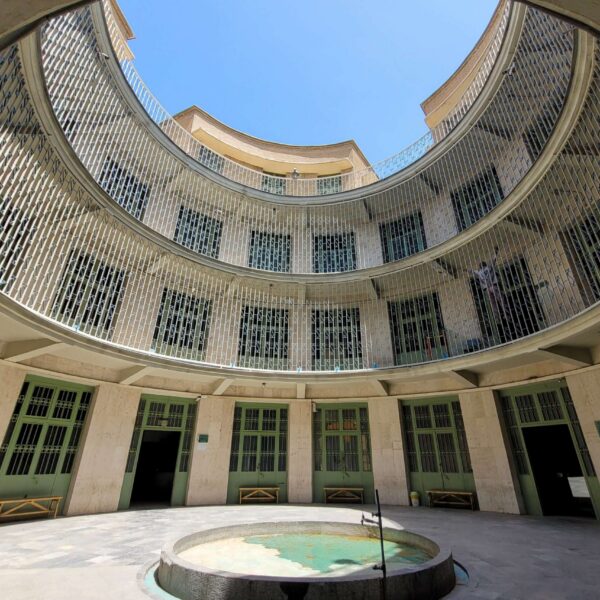
In February 2025, three Iranian torture survivors filed a federal lawsuit against Parviz Sabeti, a former senior official in SAVAK, the intelligence and security agency in Shah-era Iran. Doe I v. Sabeti is a landmark case seeking accountability for torture committed in Iran. While the torture endured by the Plaintiffs was carried out during the Shah’s regime, its significance reaches into the present. Iranians have lived through successive systems of repression, first under the Shah and then for more than four decades under the Islamic Republic. This case is about ending impunity for systemic human rights violations committed in Iran, regardless of the regime responsible.
The plaintiffs allege that Parviz Sabeti, a former senior official in SAVAK, was responsible for a system of detention, interrogation, and torture used to suppress political opposition in Iran during the 1970s. The case is proceeding under the Torture Victim Protection Act, a U.S. law that allows survivors to seek civil accountability for torture committed under color of foreign law.
Although the case concerns abuses committed under a prior regime, it speaks directly to Iran’s present and future. The failure to hold officials accountable for torture has allowed successive systems of repression to inherit, normalize, and reproduce the same tools of state violence. The plaintiffs allege that torture practices associated with Sabeti’s tenure formed part of a legacy of repression that continues under the Islamic Republic. As a result, this lawsuit carries significance for Iranians across generations, including those living under the Islamic Republic today.
In 2023 during the Women, Life Freedom protest movement, Sabeti returned to public view. His reappearance renewed demands for accountability from survivors and families of victims. For our clients and their communities, Sabeti’s return to public view underscores the danger of allowing alleged torturers evade scrutiny, rehabilitate their public image, or present themselves as political figures rather than individuals who must answer for serious human rights crimes.
The plaintiffs are proceeding anonymously because of serious safety concerns. The court has allowed them to use pseudonyms while permitting limited disclosure of their identities under a protective order. This protection is essential to ensuring that survivors can seek justice without exposing themselves or their families to further intimidation or harm. CJA represents the plaintiffs along with pro bono co-counsel Foley Hoag LLP.